Practical therapy for
over-thinkers who are tired of white-knuckling it
Burnout, relationship stress, and endless thought loops can form a pressure cooker.
Let’s build the mental toolkit to defuse problems before they can blow.
You’ve probably tried
out-thinking your stress,
working harder, or just “pushing through it”
If you’re managing a demanding career and a personal life, you already know how to hustle. But the survival strategies that got you here - compartmentalizing, over-functioning, and ignoring your system’s check engine light - aren’t going to get you to the next level.
Maybe it shows up as chronic irritability and decision fatigue.
Maybe it got harder to engage with the people and projects you love.
Or maybe it’s just waking up at 3am wondering why your brain won’t shut off, and it’s slowly draining your battery.
Burnout - professional and emotional - is not a personal failure. It’s a system capacity problem.
You don’t have to carry the weight of the world on your shoulders. You don’t have to wait until it feels like the wheels are coming off. Therapy doesn’t need to be about lying on a couch talking in circles. It’s practical, grounded work to create systems that work for you.
Stop relying on effort
and grind.
Start building systems and strategies that actually work for you.
-
When “hustle” is no longer an effective strategy -
The Problem: You’re carrying the weight of a demanding career, leadership role, or creative enterprise. You’ve mastered the art of “pushing through,” but it’s costing you your sleep, your patience, and your joy.
The Approach: We use ACT (Acceptance & Commitment Therapy) to find out what’s causing the problem. We address the pressures keeping you trapped in the grind, clarify what actually matters to you, prioritize nervous system recovery, and build a strategic plan of action - so you can sustain your career without sacrificing your life.
-
When your brain refuses to turn off the background noise -
The Problem: Whether it’s generalized anxiety, decision fatigue, or the relentless loops of OCD, your brain treats everything like an emergency. You spend half your energy trying to control variables, second-guessing choices, or neutralizing intrusive thoughts.
The Approach: We use I-CBT (Inference-Based Cognitive Behavioral Therapy) to tackle stubborn anxiety. Instead of just trying to “positive-think” your way out of distress, I-CBT targets the reasoning traps and mental narratives where the obsessive loop begins - so you can stop arguing with your brain at night.
-
When your emotional bandwidth is maxed out and the strain is bleeding into your home life -
The Problem: High performance in your career often requires compartmentalizing your emotions until there’s nothing left for the people who matter most. Maybe you find yourself snapping over small things, white-knuckling a major life transition, or just feeling disconnected and numb. Or maybe you’re here because someone you love pointed out that you’re running on fumes and need to make a change.
The Approach: We focus on emotional calibration and interpersonal effectiveness. You don’t need a lecture on “communication skills.” You need to understand how your internal pressure builds, why your tolerance threshold is shrinking, and how to regain your emotional range - so you can stop reacting on autopilot and start steering your life again.
-
When the strategies that got you here won’t get you to there -
It’s time to make new strategies.
You can’t stop life from getting stressful. But you can change how you handle it.
ACT (Acceptance & Commitment Therapy) is an evidence-based therapy that focuses on building practical cognitive skills to treat stress, burnout, depression, and anxiety. ACT is designed to help you unhook from intense demands and emotions, regulate your nervous system, and refocus on what really matters.
I-CBT (Inference-Based Cognitive Behavioral Therapy) is an evidence-based therapy that targets the logic traps and doubt that keep our thoughts running in an endless loop.
A stress-free life would be a beautiful dream, but it is rarely our reality. ACT and I-CBT can help build the skills to handle real life stressors whenever they strike.
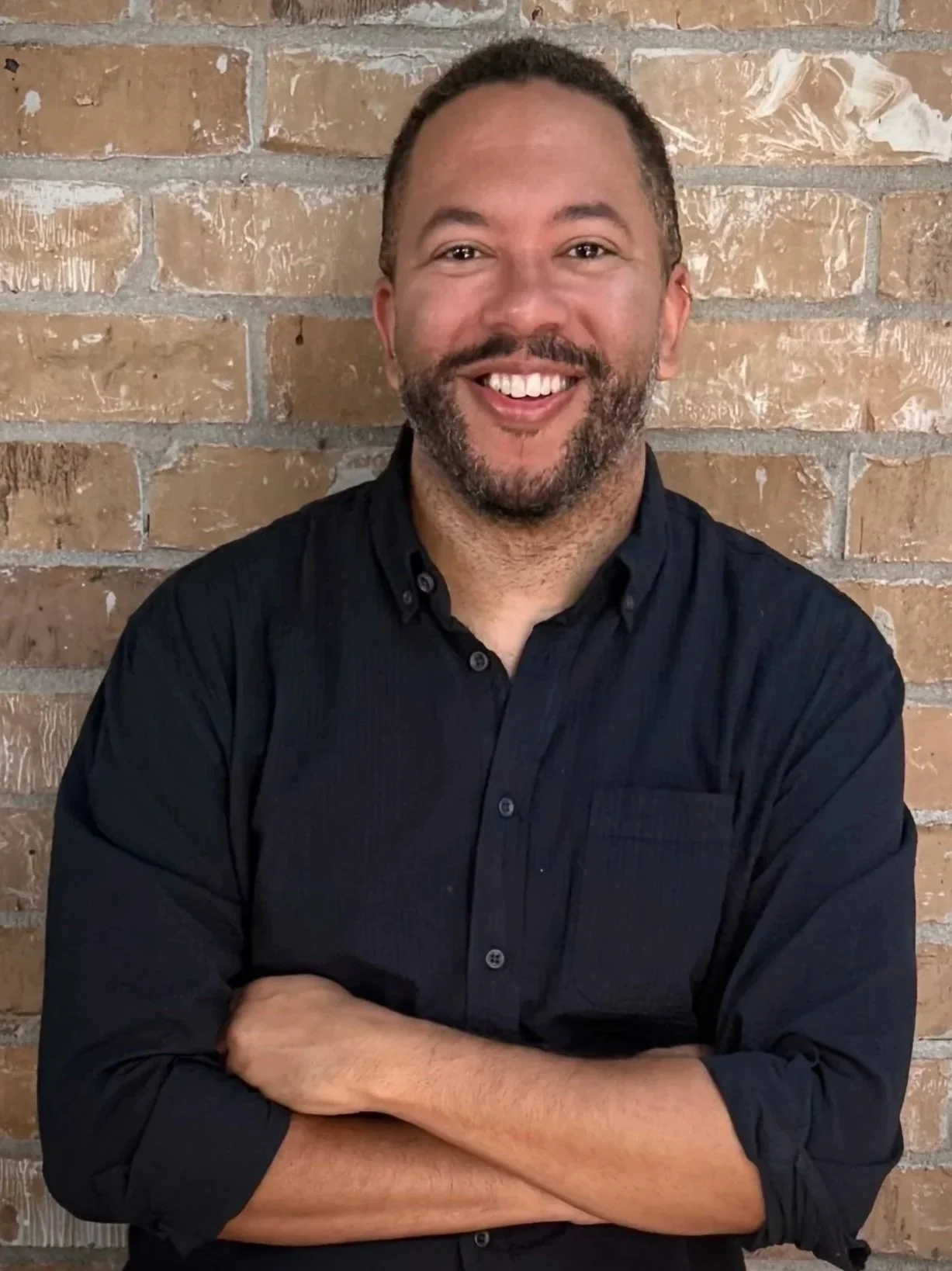
Hi, I’m Lance

I’ve sat on both sides of the table
Before becoming a Licensed Professional Counselor, I spent years as a recruiter in Austin’s tech and creative industries. I know what burnout actually looks like in the wild, and how it feels in your head.
I didn’t start my career in a clinical bubble. I spent years in the trenches of Austin’s tech and creative sectors, helping people navigate high-stakes career moves, manage teams in hypergrowth, and handle the inevitable friction that comes with trying to build something cool while keeping your life intact.
What I saw repeatedly - and experienced myself - was a lot of smart, talented people running themselves into the ground. They were trying to out-think, out-work, and out-run stress until their bodies and minds forced a hard stop.
That experience is why I do what I do today. As a Licensed Professional Counselor (LPC), my approach isn’t to toss around generic self-help advice - though I will remind you to take a deep breath. I aim to make therapy practical, active, and skills-based. Progress in-session is phenomenal, but the impact in your real life is what matters.
-
I draw on the evidence-based tools of ACT and I-CBT so we can discover and define the real problem, find out what is keeping you stuck, and build the skills to do something different.
When cognitive strategies aren’t enough, we’ll use somatic tools to figure out how stress is actually locked in your nervous system.
Therapy is a process, and that process should be data-driven. The most valuable data is your lived experience. You’ll practice new skills and behaviors in-between our sessions so we can separate “nice in theory” from “actually works for me.”
-
I am a tennis obsessive, an X-Men comics reader, and a big fan of local drag shows. I grew up in the Midwest and still play euchre once a week - but South Austin has been home for 15 years.
I will always accept recommendations on where to find the best sandwich in town.
If you’re ready to stop white-knuckling life and start building a sustainable way forward,
let’s talk.
-
Schedule A Consultation:
Schedule a free 15-minute phone consultation. I’ll ask about what brings you to therapy and answer any questions you have for me.
If you decide working together is the right move, we’ll schedule our first session as soon as you give the green light.Sessions:
All session take place online via secure video platform.
Sessions are accessible via desktop, tablet, and mobile devices.
All sessions require your camera to be on and your face to be visible.Duration:
50 minutesLocation:
You can attend sessions from anywhere within Texas. You must be in the state of Texas during each telehealth session.Sessions must be held in a private space where you are able to speak freely and without distractions. Sessions cannot be held in coffee shops, bars, or moving vehicles.
-
Individual sessions:
$150 per sessionInsurance:
I do not accept insurance at this time -
Licensed Professional Counselor - TX License #95743
MA, Clinical Mental Health Counseling - Bradley University
-
To request a copy of your health care records, lease submit a written request to your clinician. Your request may be sent by email or mail. If you need assistance with the process, your clinician will provide guidance and support. Records are provided in accordance with Texas law and professional standards. To contact the Texas Behavioral Health Executive Council (BHEC) regarding questions, concerns, or general information about licensed mental health professionals, please visit the Council’s “Contact Us” page:
Contact Us – Texas Behavioral Health Executive CouncilConsumers may file a complaint with the Office of the Attorney General’s Consumer Protection Division by visiting:
File a Consumer Complaint | Office of the Attorney General
Get Started
Schedule A Consultation
If you are experiencing a mental health emergency, please call 988 or Integral Care’s 24/7 Crisis Hotline at 512-472-HELP (4357)